
Experiencing an Authentic Ethiopian Coffee Ceremony at Abol in Louisville, Kentucky

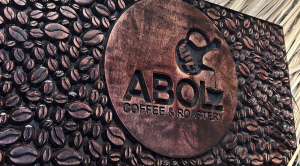
Few things capture the essence of hospitality and tradition quite like an Ethiopian coffee ceremony. It’s a ritual deeply rooted in community, connection, and reverence for coffee’s rich heritage. When my family and a close friend had the opportunity to experience an authentic ceremony at Abol, an amazing local gem, in Louisville, Kentucky, I knew it would be more than just a tasting—it would be a journey into a centuries-old tradition.
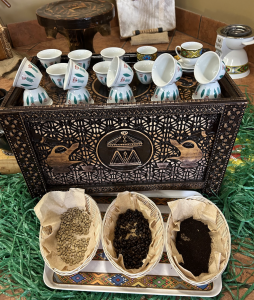
The Warm Welcome
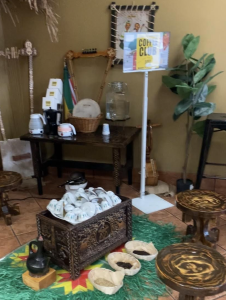
Walking into Abol, we immediately felt transported. We were greeted by Tar, the owner and his wife. The atmosphere was infused with the aroma of freshly roasted coffee. The space was beautifully designed, balancing traditional Ethiopian aesthetics with a warm, inviting ambiance.
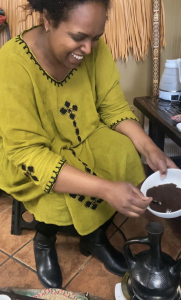
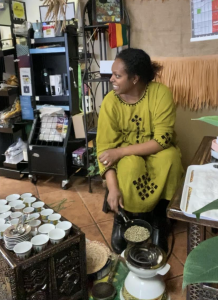
The ceremony itself was an intricate, multi-step process, led by a host dressed in a traditional Ethiopian clothes adorned with delicate embroidery. As she welcomed us, she explained that the Ethiopian coffee ceremony isn’t just about drinking coffee—it’s about gathering, storytelling, and honoring a shared moment.
The Art of Roasting
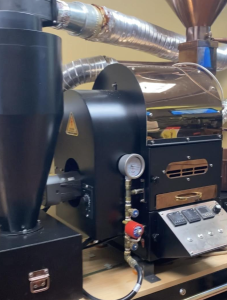
The ceremony began with the roasting of green coffee beans, an essential step in Ethiopian tradition. The host carefully placed the beans in a small pan over an open flame, gently stirring them as they transformed from pale green to a rich brown. The air quickly filled with a deep, nutty aroma, and she presented the pan so that every guest could breathe it in—a sensory introduction to the depth and complexity of Ethiopian coffee.
Once roasted, the beans were ground by hand using a mortar and pestle, a method that enhances the freshness and preserves the integrity of the coffee’s natural oils. Unlike the industrial grinding process we often see in modern coffee shops, this traditional method felt intentional, respectful, and deeply connected to the craft.
The Brewing Process
Next came the brewing, a pivotal stage in the ceremony. The host used a jebena, a clay coffee pot with a distinctive round base and narrow spout. She poured the finely ground coffee into the pot, added hot water, and placed it over the fire. As the coffee brewed, the anticipation built—every step was unhurried and deliberate, reinforcing the idea that good coffee should be savored, not rushed.
Traditionally, the Ethiopian coffee ceremony includes three rounds of coffee—Abol (first round), Tona (second round), and Bereka (third round)—each signifying stages of conversation, reflection, and community bonding. The first round is considered the strongest and most robust, while the second and third rounds offer a smoother, more mellow finish.
The First Sip
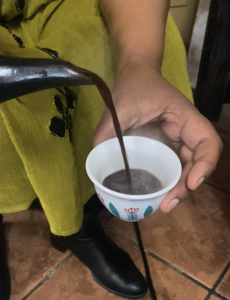
When the coffee was ready, it was poured into small ceramic cups. The first sip was intense, bold, and deeply aromatic—a stark contrast to mass-produced coffee. Ethiopian coffee has an earthy, slightly floral profile, often enjoyed without sugar or milk to fully appreciate its natural complexity.
As we drank, the host encouraged us to share stories, ask questions, and embrace the communal spirit of the ceremony. I found myself fully immersed, appreciating the intentionality of every step. It wasn’t just about drinking coffee—it was about honoring the labor, the craftsmanship, and the cultural significance woven into each cup.
 More Than Just Coffee—A Cultural Experience
What stood out most was the sense of connection this ceremony fostered. Unlike a quick coffee break in our fast-paced world, the Ethiopian coffee ceremony asks you to slow down, engage, and appreciate the presence of others. Every element—the roasting, grinding, brewing, and sipping—was a deliberate act of respect for the ritual.
The final round, Bereka, symbolized blessings, a fitting way to end the ceremony. I left Abol feeling enriched—not just by the flavors of the coffee but by the tradition itself. It was a powerful reminder of how coffee, in its purest form, is meant to bring people together.
Reflections on the Experience
Participating in an Ethiopian coffee ceremony at Abol in Louisville was more than just a tasting—it was a window into a centuries-old tradition that celebrates patience, artistry, and community. It reminded me of the profound role coffee plays in storytelling, gathering, and cultural preservation.
For anyone seeking a deeper connection to coffee, beyond its taste and caffeine kick, I highly recommend experiencing a true Ethiopian coffee ceremony. It’s an opportunity to appreciate coffee in its most authentic form, engage with tradition, and embrace the unspoken beauty of sharing a cup with others.
Would you like help refining this further for engagement or SEO optimization? I’d love to make sure it reaches your audience effectively!
+ There are no comments
Add yours